How to Choose the Right Packaging Equipment for Your Business?
Choosing the right packaging equipment is crucial for any business aiming to enhance efficiency and reduce costs. The global packaging equipment market was valued at approximately $40 billion in 2021 and is projected to grow significantly in the coming years. As businesses evolve, the need for advanced packaging solutions also rises. According to industry expert Dr. Emily Carter, “Effective packaging equipment is not just about form, but function and sustainability too.”
Understanding the diverse types of packaging equipment available can be overwhelming. From filling machines to case erectors, each type serves unique purposes and offers various functionalities. Recent reports suggest choosing equipment that aligns with production goals and product specifications can lead to a 30% reduction in material waste. Furthermore, some manufacturers often overlook maintenance requirements, leading to costly downtimes.
Investing in the right packaging technology is essential for meeting customer expectations and staying competitive. Each business must assess its unique needs, budget, and future growth potential. Selecting appropriate packaging equipment involves thoughtful consideration and strategic planning, ensuring it not only meets immediate requirements but also adapts to future trends.
Understanding Your Packaging Needs: Types of Products and Processes
Choosing the right packaging equipment starts with understanding your product and process. Different products require different packaging methods. For example, liquids often need specific sealing technologies, while fragile items must have cushioning features. Evaluate the characteristics of your products: size, shape, and sensitivity. This assessment will inform the necessary equipment choice.
Tips: Analyze your product’s lifecycle. From production to delivery, consider how it travels. Each stage may demand specific packaging equipment to protect the product's integrity.
It's easy to overlook the importance of scalability. If your business grows, can your equipment adapt? Ensure your choices support future demand. Investing in flexible machinery saves time and money in the long run.
Tips: Gather feedback from frontline staff. They often provide insights on equipment usability. Sometimes the most advanced machines aren't the best fit for your daily process. Reflect on their observations for more informed decisions.
Evaluating Packaging Equipment Costs: Initial Investment vs. Long-Term Savings
When evaluating packaging equipment costs, it's essential to balance initial investment against long-term savings. Many businesses overlook the hidden costs associated with lower-priced machinery. A recent industry report revealed that 45% of companies experience increased operational costs due to inefficient packaging solutions. Buying cheaper equipment might save money upfront, but it often leads to higher maintenance costs and more downtime, ultimately affecting productivity.
Investing wisely in quality packaging equipment can yield significant savings over time. Studies show that companies that choose efficient systems can save up to 30% on labor and material costs. For example, automated packaging solutions may have higher starting prices, but they reduce the risk of human error and enhance speed. This shift not only streamlines operations but also positions a business for growth.
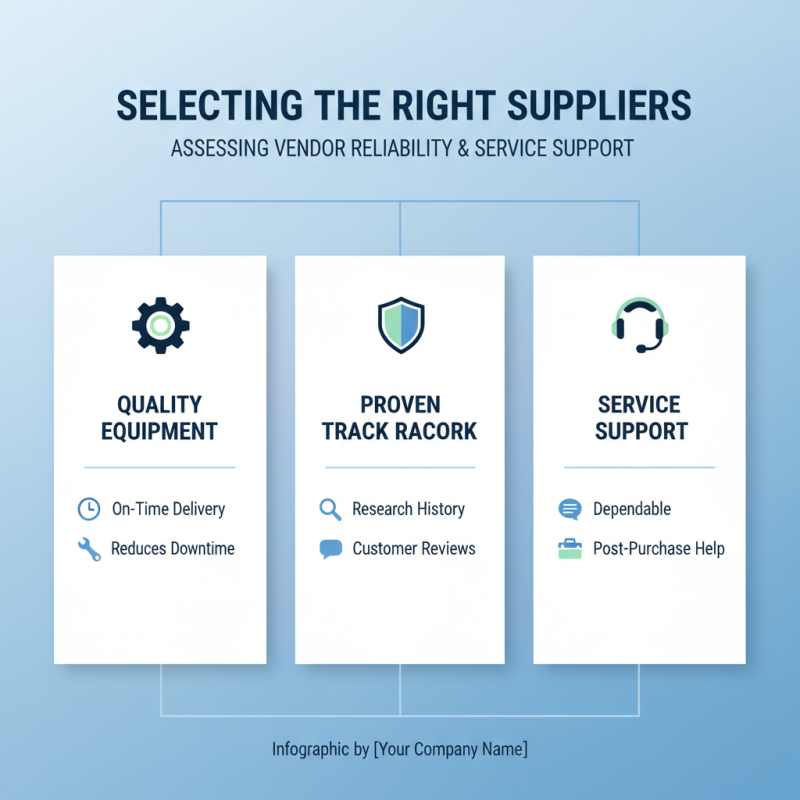
Tips: Always consider the warranty and customer support offered with the equipment. Look for reviews from industry peers to gauge reliability. Calculate potential savings from increased efficiency to justify your investment. Evaluating total cost of ownership is crucial. Focus on what truly matters—maximizing value while minimizing risk.
Analyzing Packaging Speed Requirements: Throughput Data for Optimal Choice
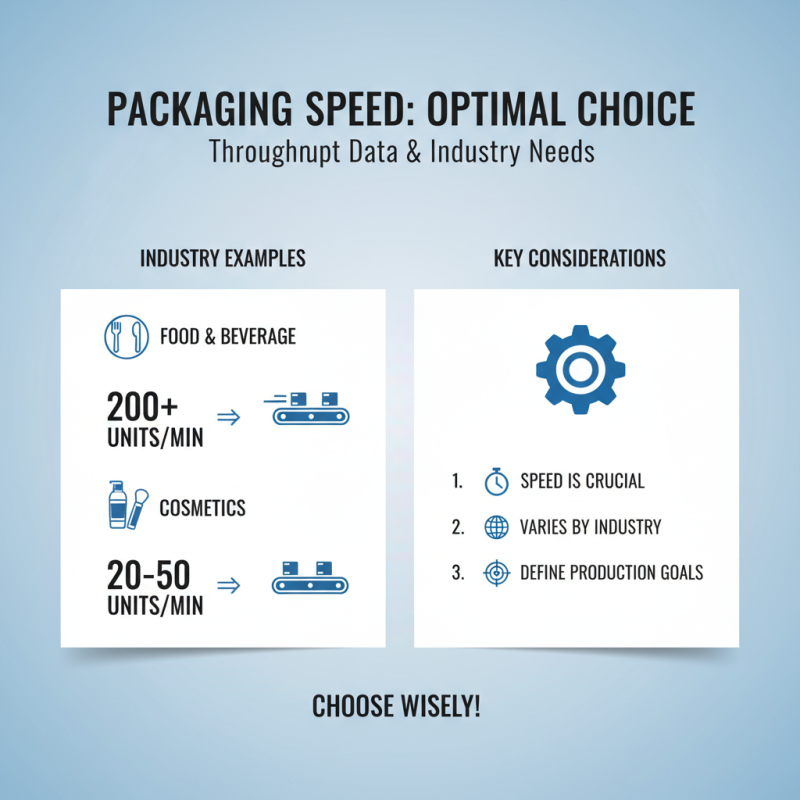
When selecting packaging equipment, speed is crucial. Packaging speed requirements vary significantly across industries. For instance, the food and beverage sector often demands faster throughput, with rates exceeding 200 units per minute. In contrast, the cosmetic industry might only need 20-50 units per minute. Understanding your production goals is vital for choosing appropriate machinery.
Evaluating throughput data helps businesses align equipment capabilities with operational needs. The International Society of Automation states that optimizing throughput can boost overall productivity by 25%. For companies seeking to enhance efficiency, monitoring packaging speed is essential. A mismatch in equipment may lead to bottlenecks and increased costs.
Tips: Always assess your current production volume. This analysis provides clarity on speed requirements. Consider future growth when selecting equipment. A flexible machine can adapt as demand changes, eliminating the need for frequent upgrades. Balancing immediate needs with long-term goals is critical. Not all solutions will be perfect; adjustments may be necessary as the market evolves.
Considering Equipment Flexibility: Adapting to Market Trends and Product Changes
Adapting to market trends and product changes is critical for any business. When selecting packaging equipment, consider flexibility as a key factor. Businesses often face shifting consumer preferences. This requires a packaging solution that can easily adjust to new formats or sizes. A rigid system may lead to inefficiencies.
Modern equipment should be able to handle various types of packaging materials. This includes plastic, cardboard, or biodegradable options. The ability to switch between these materials can greatly enhance a company's sustainability efforts. However, achieving this flexibility may come with challenges. It may involve additional training for staff or unexpected maintenance issues.
Moreover, businesses must gauge their growth projections. A packaging machine that meets today's needs might not suffice in the future. Investing in equipment with modular features can prepare you for product innovation. While it may seem costlier upfront, the long-term benefits often outweigh these initial costs. Hence, a balance between current needs and future adaptability is essential.
Market Trends in Packaging Equipment Flexibility
This bar chart illustrates the importance of flexibility in packaging equipment over various market trends from 2020 to 2023. The data highlights the shifting demands of consumers for adaptable packaging solutions that can respond to changing products and market dynamics.